How to Size a Heavy-Duty Dog Crate: Height, Length & Turning Clearance
As an Amazon Associate I earn from qualifying purchases. Prices and availability are accurate as of the date/time indicated and are subject to change.
The short answer
If you only want one recommendation: LUCKUP 42/48 Inch Heavy Duty Strong Steel Dog Crate. Available in industry-standard 42-inch and 48-inch lengths to provide optimal biomechanical turning clearances.
Check price on Amazon →🔍 How this guide was put together (Editorial Standards)
This guide compares options using published manufacturer specifications, patterns in publicly visible owner reviews, and reputable expert sources. We do not operate a physical testing lab; see our how-we-research page for details.
EDITOR'S PICKS
Top Picks

Understanding the Importance of Proper Sizing
Choosing the right size for a heavy-duty dog crate is crucial for your pet’s well-being and comfort. A crate that is too small can lead to physical discomfort and anxiety, while an overly large crate may encourage pacing and stress. This guide provides a systematic approach to sizing your dog crate based on specific measurements and behavioral considerations.
Key Measurements for Sizing a Heavy-Duty Dog Crate
1. Height Measurement: From Floor to Ear Tips
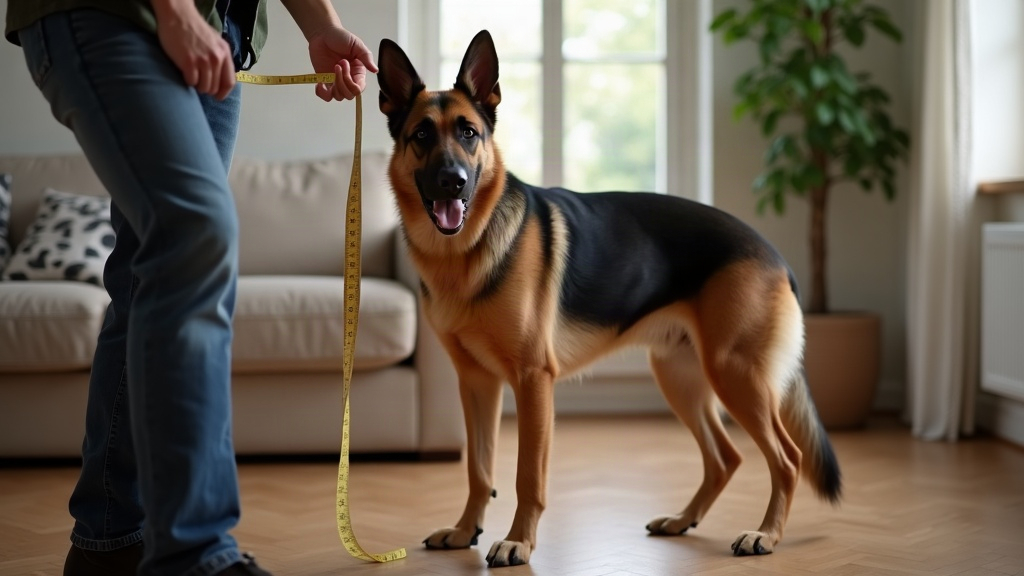
To determine the appropriate height for a heavy-duty dog crate, measure your dog from the floor to the tips of their ears while they are standing. This measurement ensures that your dog can stand comfortably without hitting their head.
- For Dogs with Long Ears: If your dog has long ears, factor in an additional inch or two to accommodate their ear length.
- Recommended Formula: Height = (Floor to Ear Tips) + 2 inches (for clearance)
2. Length Measurement: From Nose to Base of Tail
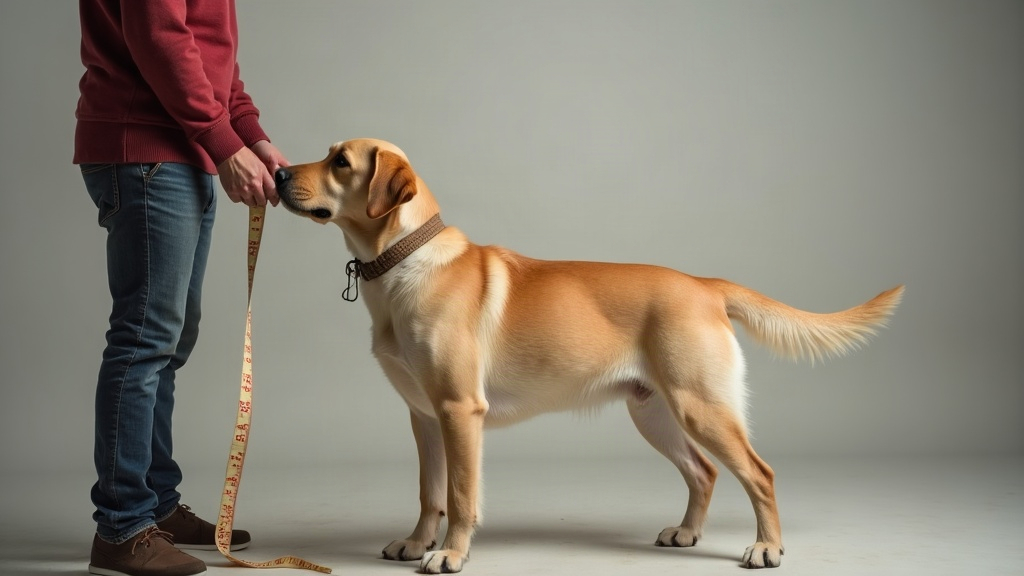
The length of the crate is equally important. Measure your dog from the tip of their nose to the base of their tail while standing. This measurement ensures your dog can lie down comfortably without curling up excessively.
- Recommended Formula: Length = (Nose to Base of Tail) + 2-4 inches (for comfort)
3. Turning Clearance: Allowing Space for Movement
Another critical factor in sizing a dog crate is ensuring there’s enough space for your dog to turn around comfortably. The turning clearance should be approximately equal to the width of your dog.
- Recommended Formula: Turning Clearance = Width of Dog + 2 inches
When combined, these measurements will provide a comprehensive view of the ideal heavy-duty dog crate size for your canine companion.
Technical Parameters and Benchmarks
Understanding the technical parameters associated with heavy-duty dog crates can help you make an informed decision. The following table summarizes key specifications, benchmarks, and recommendations based on common dog sizes.
| Parameter | Benchmark | Recommendation |
|---|---|---|
| Height | 24-36 inches | For breeds like Beagle to Rottweiler |
| Length | 30-54 inches | For breeds like Dachshund to Great Dane |
| Turning Clearance | 12-20 inches | Depends on dog breed width |
| Crate Material | Steel gauge (16-18) | Ensures durability and security |
| Weight Capacity | Up to 300 pounds | Suitable for large breeds |
| Floor Size | At least 24x30 inches | To allow for comfortable movement |
Understanding Crate Types and Materials
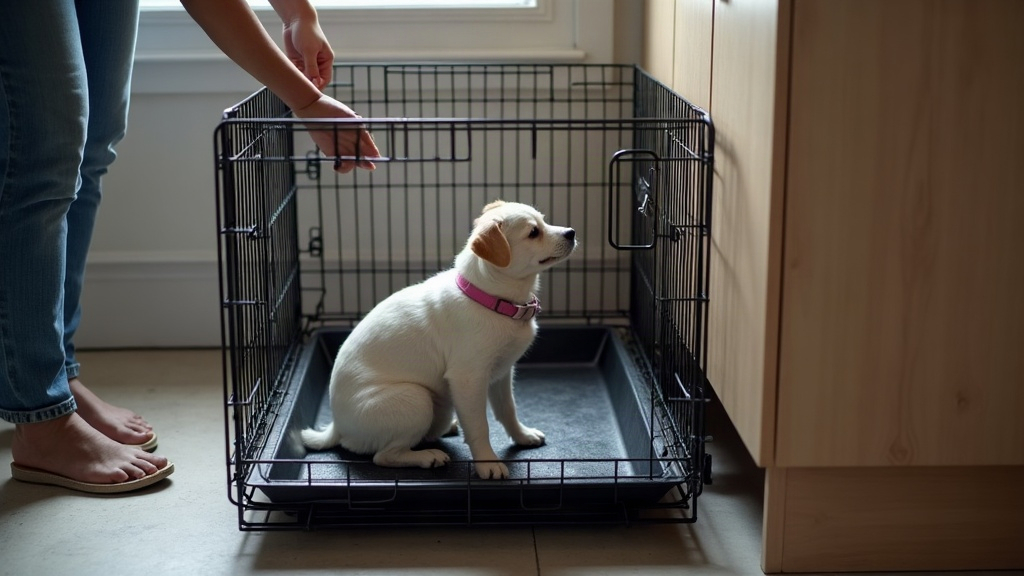
When selecting a heavy-duty dog crate, it’s essential to consider the material and construction. Heavy-duty crates are typically made from reinforced steel or aluminum, which offers significant advantages over plastic or lighter materials:
- Durability: Steel crates can withstand chewing and scratching, making them ideal for aggressive chewers.
- Weight: While heavier, they provide better stability, reducing the chances of tipping over.
- Ventilation: Quality heavy-duty crates feature adequate ventilation to ensure your dog remains comfortable during extended periods.
When selecting a heavy-duty crate, look for features such as double doors, secure locking mechanisms, and removable trays for easy cleaning.

Behavioral Considerations for Crate Sizing
Proper sizing is not just about comfort; it also affects your dog’s behavior. Here are some behavioral aspects to consider:
- Anxiety Management: Dogs that feel cramped may experience anxiety. Conversely, an oversized crate can encourage pacing, which can lead to stress and behavioral problems.
- Training: When crate training, it’s advisable to use a crate that fits your dog’s current size. As they grow, you may need to transition to a larger crate to accommodate their full size without allowing excessive space.
- Resting Posture: Observe your dog’s resting posture. If they tend to curl up, ensure the crate is long enough to allow them to stretch out comfortably.
For additional assistance in determining the right size, consider using our Interactive Crate Size Calculator.
Conclusion
Choosing the right size for a heavy-duty dog crate is critical for your dog’s comfort, safety, and well-being. By following the measurement guidelines and understanding the impact of crate size on behavior, you can make an informed decision that will benefit both you and your canine companion.
Frequently Asked Questions
Q1: What if my dog is between sizes?
If your dog falls between two sizes, it’s often best to select the larger crate. This allows for additional comfort and room to move. However, you can also consider using crate dividers to reduce the space until your dog grows into the larger crate.
Q2: How do I know if my dog feels comfortable in their crate?
Watch for signs of discomfort, such as whining, pacing, or reluctance to enter the crate. A comfortable dog will be able to stand, turn around, and lie down without issues. Spend time observing your dog in the crate to assess their comfort level.
Q3: Are heavy-duty crates worth the investment?
Yes, heavy-duty crates are worth the investment, especially for strong or anxious dogs. They provide superior durability, security, and comfort, making them a long-term solution for crate training and containment.
By adhering to these guidelines and considerations, you ensure that your dog’s crate serves as a safe and comfortable space, contributing to their overall happiness and well-being.