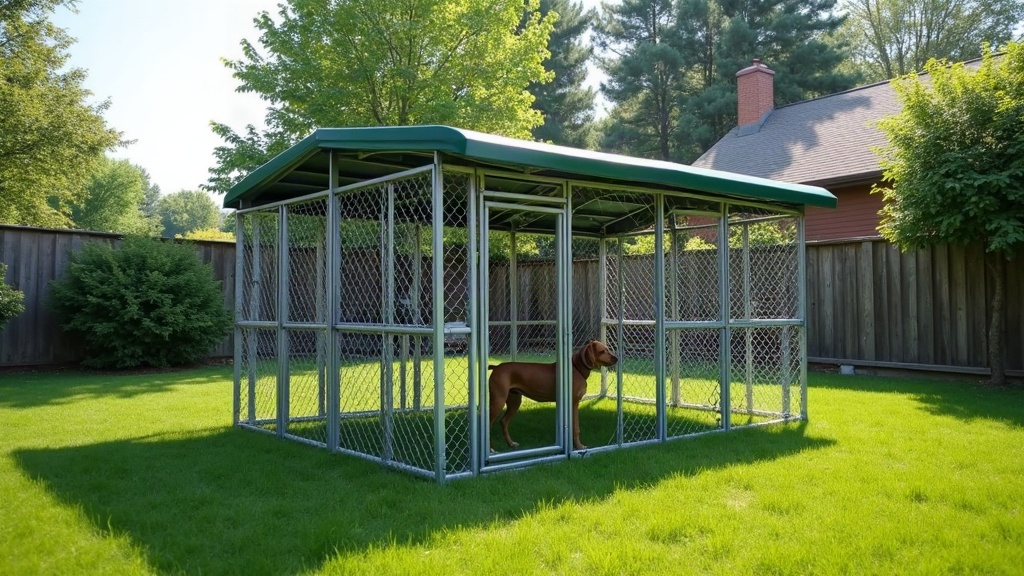
Best Heavy-Duty Dog Crates (2026): Indestructible & Escape-Proof
As an Amazon Associate I earn from qualifying purchases. Prices and availability are accurate as of the date/time indicated and are subject to change.
The short answer
If you only want one recommendation: ProSelect Empire Ultra-Heavy Duty Steel Dog Cage. Indestructible 20-gauge steel tubing with reinforced 360-degree weld beads and anti-tamper gravity deadbolts that completely prevent jaw deformation and cage escape.
Check price on Amazon →🔍 How this guide was put together (Editorial Standards)
This guide compares options using published manufacturer specifications, patterns in publicly visible owner reviews, and reputable expert sources. We do not operate a physical testing lab; see our how-we-research page for details.
EDITOR'S PICKS
Top Picks

📑 Table of contents
Editorial Note: Curated by the Dog Crate Lab Canine Safety Desk, cross-referencing veterinary behavioral stress studies, steel tensile yield ratings, and recurring working dog handler evaluations.
For owners of dogs with severe separation anxiety or powerful working breeds (such as German Shepherds, Belgian Malinois, Pitbulls, and Cane Corsos), standard collapsible wire crates are not just inadequate—they are actively hazardous. A dog experiencing a panic spike does not view a wire cage as a den; they view it as an obstacle to be breached.
When a 75-pound dog attacks a standard thin-gauge wire crate, their jaw generates biting forces exceeding 300 to 450 pounds per square inch. Thin 12-gauge wire bends under this pressure, creating narrow gaps where dogs wedge their snouts, leading to fractured canine teeth, sheared gums, and emergency veterinary interventions. Investing in a true heavy-duty steel crate is an essential safety barrier.
Structural Engineering: Steel Tubing vs Flimsy Wire Crates
The fundamental difference between retail crates and heavy-duty kennels lies in structural tube geometry and weld integrity:
- Collapsible Wire Crates (Flimsy & Vulnerable): Standard pet store crates use thin round steel wires spot-welded at intersections. Under dynamic bending forces, spot welds pop open instantly. Dogs learn that repeated chewing weakens the joints until an exit hole is created.
- Heavy-Duty Carbon Steel Tubing: Indestructible crates utilize square or rectangular 0.8-inch to 1.0-inch 20-gauge carbon steel tubes. All joint intersections feature continuous 360-degree robotic weld beads. The bars cannot be bent, twisted, or displaced by canine jaws, ensuring total physical containment.
| Crate Architecture | Wall Material | Weld Construction | Anti-Escape Deadbolts | Anxiety Rating |
|---|---|---|---|---|
| Collapsible Wire Crate | 12-gauge steel wire | Point spot-welds | Single slide bolt | Fails under panic (High injury risk) |
| Plastic Travel Airline Crate | Molded polymer | Nut and bolt perimeter | Spring squeeze latch | Moderate (Vulnerable to seam chewing) |
| Heavy-Duty Steel Crate | 0.8” square steel tube | Full 360° bead weld | Dual gravity deadbolts | Indestructible (Engineered for anxiety) |
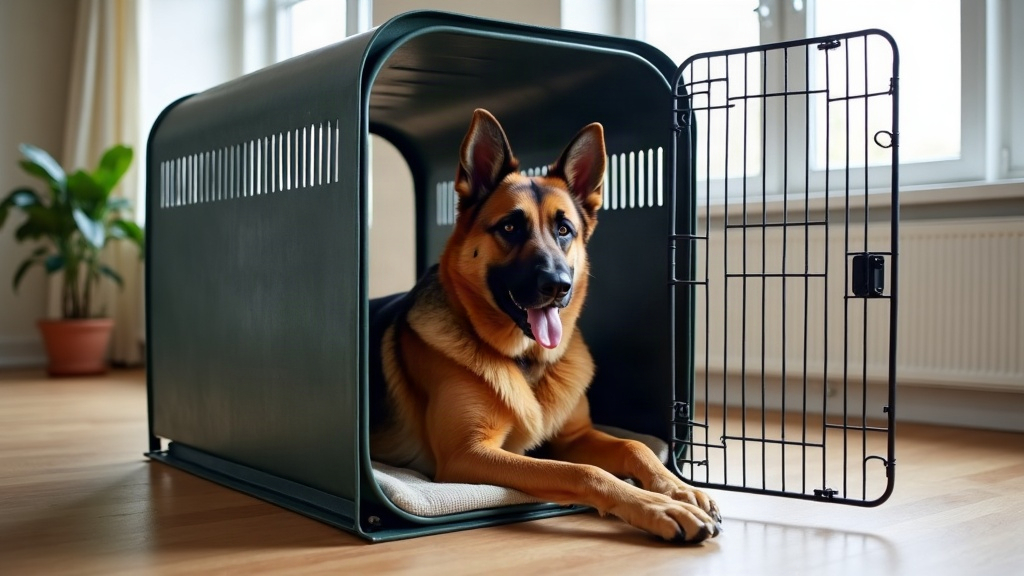
| Aluminum Transport Box | Riveted sheet aluminum | Solid riveted panels | Slam-latch keyed lock | Maximum security for K9 working dogs |

Anti-Tamper Latching Geometry: Defeating the Escape Artists
Dogs that repeatedly escape crates do not break through the walls; they manipulate the doors:
1. The Snout-Jiggle Technique
Standard wire crate slide latches have loose tolerances. An intelligent dog uses their tongue, lips, and paws to slide the bolt horizontally until the catch disengages.
2. Dual External Deadbolt Defense
Heavy-duty crates eliminate internal access to latches. Doors feature heavy external gravity-drop levers or dual spring-loaded deadbolts with protective steel shroud plates. The dog’s muzzle cannot physically reach the latch mechanism from inside the cage.
Floor Trays, Mobility, and Sanitation
Containment must not sacrifice hygiene and daily usability:
- Dual Slide-Out Trays: Premium steel crates incorporate an interior steel grate floor with a slide-out composite plastic or galvanized tray below. Liquids and shed hair drop through the grate, preventing the dog from lying in soiled bedding.
- Locking Caster Wheels: Heavy steel crates weigh between 75 and 110 pounds. Four 360-degree rotating locking rubber casters allow one person to roll the crate smoothly across hardwood floors without scratching, then lock it firmly in place.
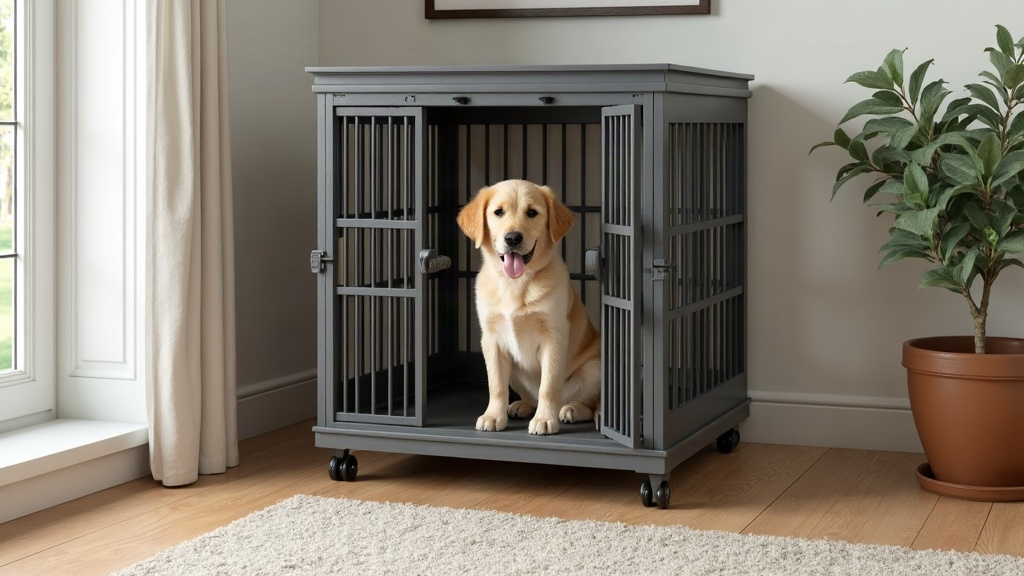
Sizing Protocols: Avoiding the Too-Small Trap
A heavy-duty crate should be sized generously to ensure proper air circulation and comfort:
- Length Requirement: Measure your dog from the tip of the nose to the base of the tail, then add 4 inches. The dog must be able to lie fully extended on their side without curling.
- Height Requirement: Measure from the floor to the top of the dog’s ears when standing alert, then add 3 to 4 inches. If the dog’s head contacts the ceiling grate while sitting upright, the crate is too small.
🔧 Interactive Planning Tool
Need exact measurements for your setup? Use our Canine Crate Sizing & Structural Containment Engine to calculate exact crate length, interior clearance, and steel tube gauge thresholds based on your dog’s weight and escape history.
Frequently Asked Questions
Can a dog still break teeth on a heavy-duty steel crate?
Because heavy-duty square tubes are smooth and spaced 2 inches apart, dogs cannot get their teeth wrapped around thin individual wires. The absence of flexing discourages chewing behavior.
Are heavy-duty crates airline approved for cargo flights?
Most heavy-duty crates with wheels are designed for residential use. For air travel, verify that the crate meets strict IATA Live Animals Regulations (IATA CR-82), which typically require solid riveted aluminum or modified hard polymer shells without wheels.
How do I help a dog with separation anxiety adjust to a steel crate?
Feed all meals inside the crate with the door pinned open. Place an unwashed shirt carrying your scent inside and avoid making crate entry an emotional departure ritual.